
SPC Flooring in Brazil: Strong Market Potential, Why It Fits, and Smart Import Guidance
Brazil’s flooring market is undergoing a quiet but powerful shift. Long dominated by ceramic tile and hardwood, the country is rapidly embracing Stone Plastic Composite (SPC) flooring — and the numbers confirm it. Valued at roughly USD 112.65 million in 2024, the Brazil SPC flooring market is projected to reach USD 429.27 million by 2033, growing at a compound annual growth rate (CAGR) of 16.04%. That’s nearly fourfold expansion in under a decade — far outpacing the overall floor-covering market’s 4.62% CAGR.
For international manufacturers and suppliers, this is more than a statistic: it’s a clear signal that Brazil has become one of Latin America’s most promising frontiers for SPC imports. Below we explore why SPC is uniquely suited to Brazil’s geography and climate, why it’s shaping up as the flooring material of the future, and practical guidance for importers looking to enter or expand in this market.
Why SPC Flooring Is Uniquely Well-Suited to Brazil
1 ,Climate and Environmental Resilience
Brazil’s geography spans tropical coastlines, humid Amazon regions, and the cooler, temperature-varying South — conditions that push conventional flooring to its limits. High humidity, intense heat, and sharp temperature swings cause laminate and wood-based products to swell, warp, or degrade over time. Ceramic holds up well but is cold, hard underfoot, and time-consuming to install.
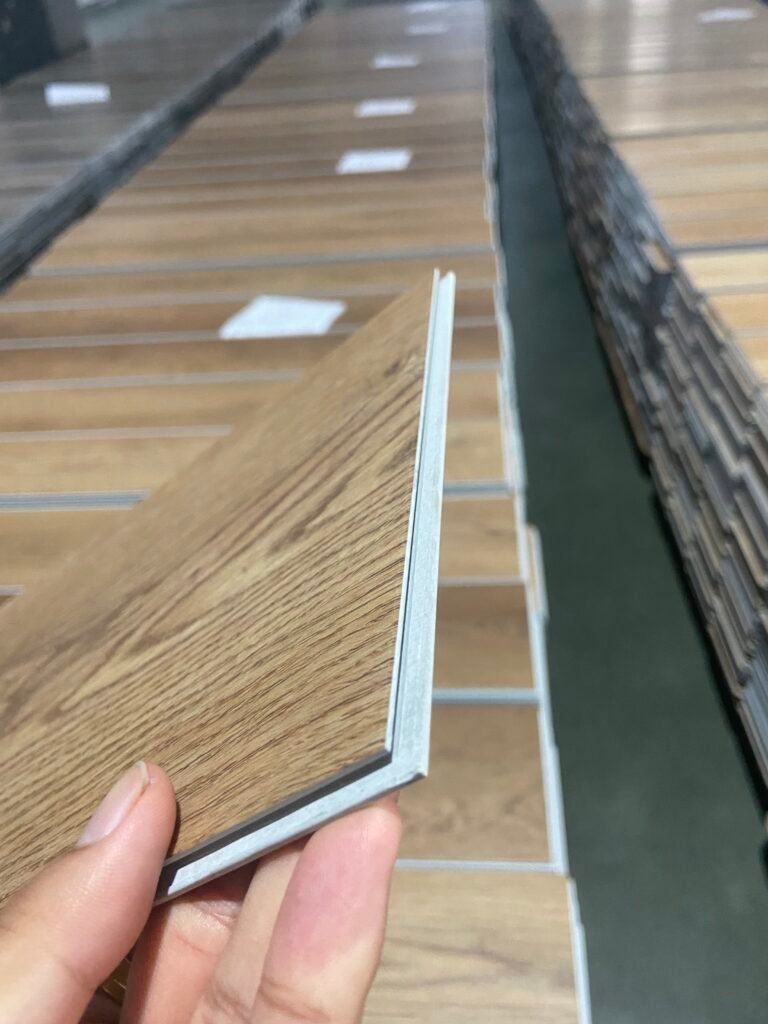
SPC’s rigid core — a blend of natural stone powder and PVC — is 100% waterproof and dimensionally stable. It resists expansion and contraction even in sustained humidity, making it ideal for coastal cities like Recife and Fortaleza, as well as for São Paulo and Rio de Janeiro apartments where bathrooms, kitchens, and laundry areas see constant moisture. Unlike wood or laminate, SPC contains no organic material that attracts termites — a significant advantage across much of Brazil.
2 , Fast, Low-Disruption Installation
Brazil’s housing stock is largely mature: more than 60% of urban units were built between 1980 and 2000, and most feature ceramic flooring that remains structurally sound but dated. Demolishing and replacing old tile is messy, slow, and expensive — often taking four to six weeks and generating significant waste.
SPC’s click-lock system installs directly over existing, well-adhered ceramic without removal. Renovation timelines shrink from weeks to days — often under 48 hours for a typical apartment. No drying time means residents can return sooner, a critical benefit for multifamily projects, hotels, and commercial spaces where downtime equals lost revenue.
3 , Cost-Efficiency and Design Versatility
Ceramic tile typically runs USD 20–50/m² installed; hardwood can cost far more. SPC delivers authentic wood and stone visuals at a landed price of USD 15–35/m², with lower labor and faster completion adding further savings. Advanced printing and texturing technologies produce realistic grain and texture that satisfy Brazil’s design-conscious middle class without premium pricing.
4 , Sustainability and Compliance
Brazil’s 2026 Green Building Code mandates that qualifying projects use at least 30% low-VOC finishes. SPC is naturally low-emission, recyclable, and requires far less water and energy to produce than ceramic or quarried stone — positioning it as a responsible choice for architects and developers aiming for green certification.
Why SPC Is the Future of Flooring in Brazil
Surging Domestic Adoption
- Surging Domestic Adoption
- Government and Infrastructure Momentum
- A Still-Untapped Market
- Global Trend Alignment
1.Surging Domestic Adoption
Domestic consumption of SPC in Brazil grew 250% over just three recent years, moving from a niche, high-priced product to an accessible mainstream option. Retailers across the Northeast report a pronounced shift toward rigid-core planks as homeowners recognize the combination of waterproof performance, realistic aesthetics, and ease of maintenance.
2.Government and Infrastructure Momentum
Programs like Minha Casa Minha Vida (My House My Life) Phase IV are delivering 2 million new housing units through 2026, with specifications increasingly favoring SPC and LVT over traditional ceramic, especially in moisture-prone regions. On the commercial side, the PAC infrastructure program is driving investment in offices, schools, healthcare facilities, and retail — all sectors prioritizing durable, low-maintenance, fast-installation flooring.
3.A Still-Untapped Market
Despite rapid growth, SPC still accounts for less than 1% of Brazil’s total floor-covering market. That means even modest share gains translate to outsized revenue opportunities. As awareness spreads and local production struggles to keep pace with demand, imports will remain essential to filling the supply gap.
4.Global Trend Alignment
SPC’s rise in Brazil mirrors its takeoff across North America, Europe, and Asia-Pacific. Once a premium novelty, it has become the fastest-growing flooring category worldwide. As international design standards influence Brazilian hospitality, corporate, and residential development, SPC will evolve from “alternative” to “standard” specification — and early suppliers will be best positioned to capture loyalty and volume.
Practical Importing Guide: Bringing SPC Flooring to Brazil
Success in Brazil requires more than a quality product. The market rewards preparation, compliance, and relationship-building. Here’s what to focus on:
Product Selection by Application
- Wet areas (kitchens, bathrooms, balconies): Specify thickness ≥ 5.5 mm with a wear layer ≥ 0.4 mm (Class 32 or higher)
- Dry residential areas (bedrooms, living rooms): 4.0–4.5 mm planks balance performance and cost
- Commercial spaces (retail, hospitality, offices): Wear layer ≥ 0.5 mm with integrated IXPE underlay for noise reduction and comfort
- Core density: Target 1.95–2.05 g/cm³ with dimensional stability ≤ 0.10% (per EN ISO 23999) to withstand Brazil’s temperature and humidity swings
Classification, Tariffs, and Costing
- HS / NCM code: Most SPC falls under NCM 3918.90.00 or 3918.10.90 — confirm the exact classification before shipping, as it determines all subsequent tax treatment
- Tax structure applies to CIF value and layers as follows:
- Import Duty (II): 10–16%
- IPI: 5–15%
- PIS/COFINS: ~9.65%
- ICMS (state VAT): typically 18% in São Paulo, Paraná, and other major markets
- Landed cost: Total taxes can add 40–70% to CIF value — price accordingly and consider DDP terms for larger volumes to help your distributors manage cash flow
Compliance and Certification
- NBR standards: ABNT NBR 1491-2 classifies SPC as “resilient flooring” and governs installation over existing surfaces
- INMETRO: While not mandatory for all SPC products, INMETRO certification builds trust and may be required for public-sector tenders
- Environmental claims: FloorScore, GREENGUARD Gold, or equivalent low-emission certifications strongly support sales to projects subject to Brazil’s Green Building Code
- Documentation: Include full technical dossiers with each shipment — product specs, test reports, and safety data sheets in Portuguese
Shipping and Partnership Strategy
- Lead times: Brazil is vast; allow 8–12 weeks from order to warehouse clearance. Consider consolidating shipments to lower per-unit logistics costs
- Local representation: Partner with established distributors who know regional preferences, can provide after-sales support, and have relationships with architects and contractors
- Training: Provide installation training and Portuguese-language materials. Proper click-lock engagement is critical — installation errors are the top cause of product rejection and warranty claims
- Pricing transparency: Publish clear FOB and CIF pricing; use consistent INCOTERMS to avoid confusion. Be prepared to bundle marketing support with volume commitments
FAQs from Global Importers
Q: Can you support OEM branding?
Yes, we support logo printing, packaging design, and barcode labeling.
Q: What’s the lead time for a 20-foot container?
Usually 15–20 working days, depending on current production load.
🔧 ZALA Decoration offers a wide range of WPC Veneer designs tailored for the South American market. With factory-direct prices and reliable export service, we help importers, wholesalers, and contractors bring quality materials to their customers — at the right price.
📩 Contact us today for free samples, catalogs, and customized support!
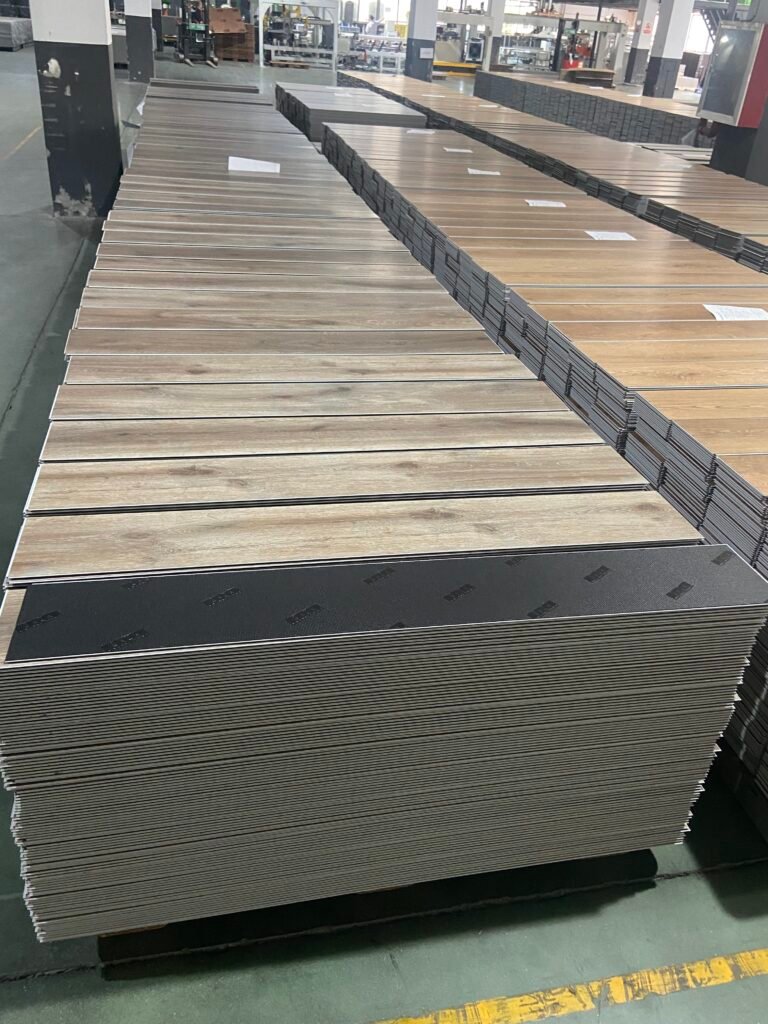
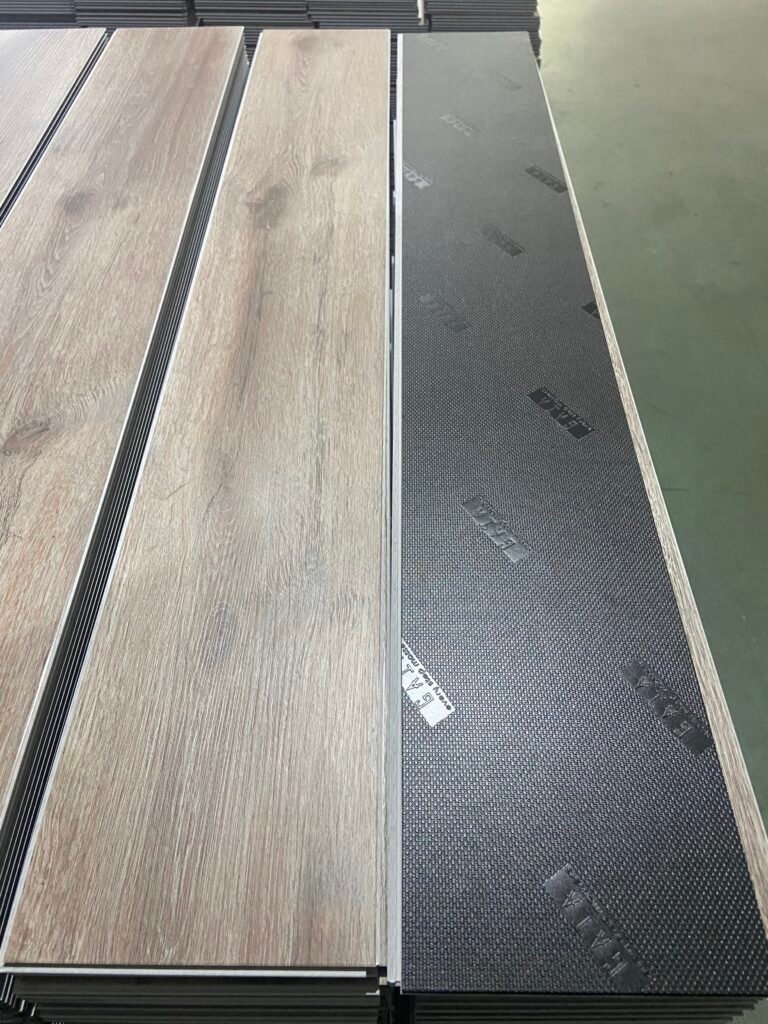
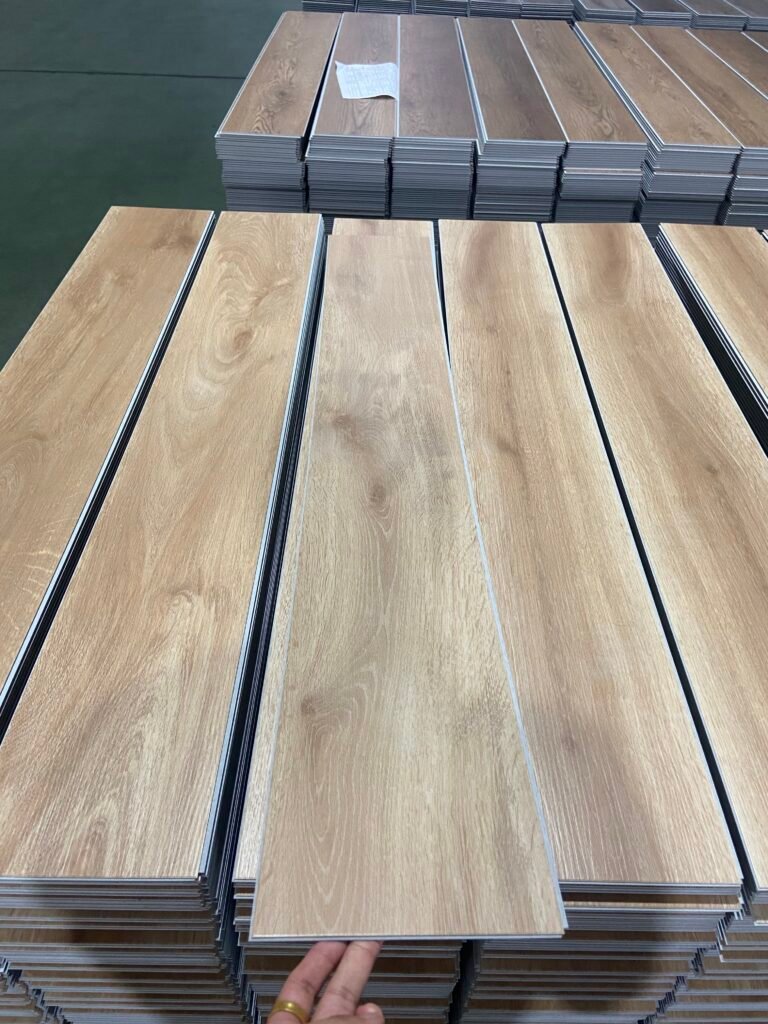
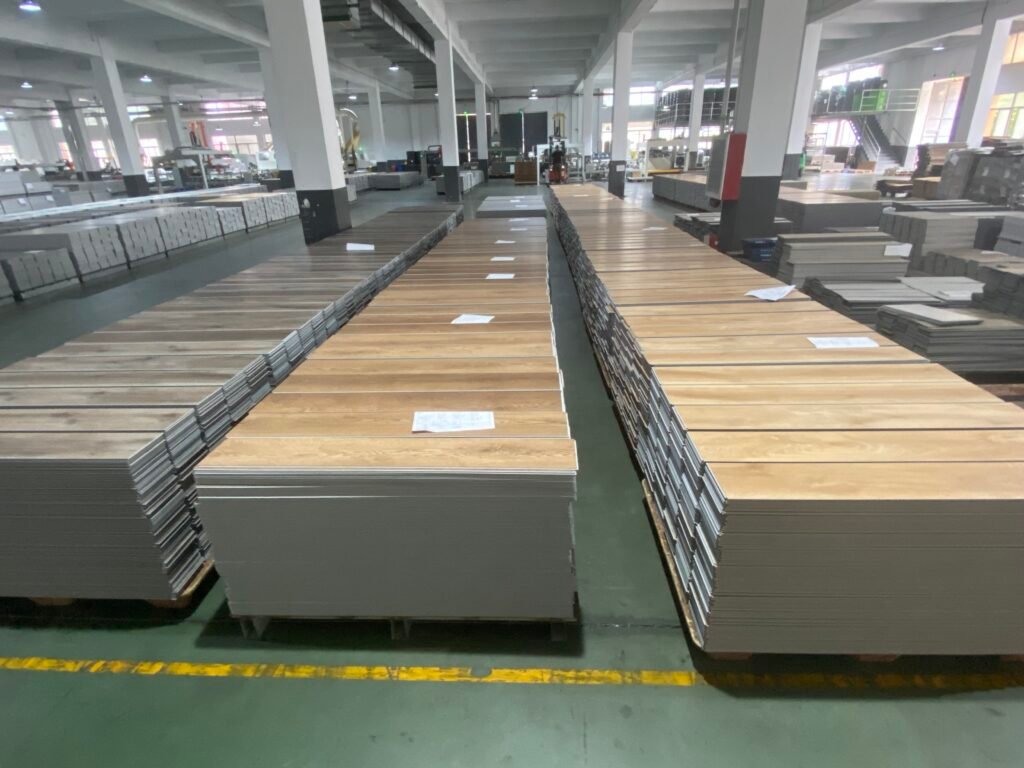
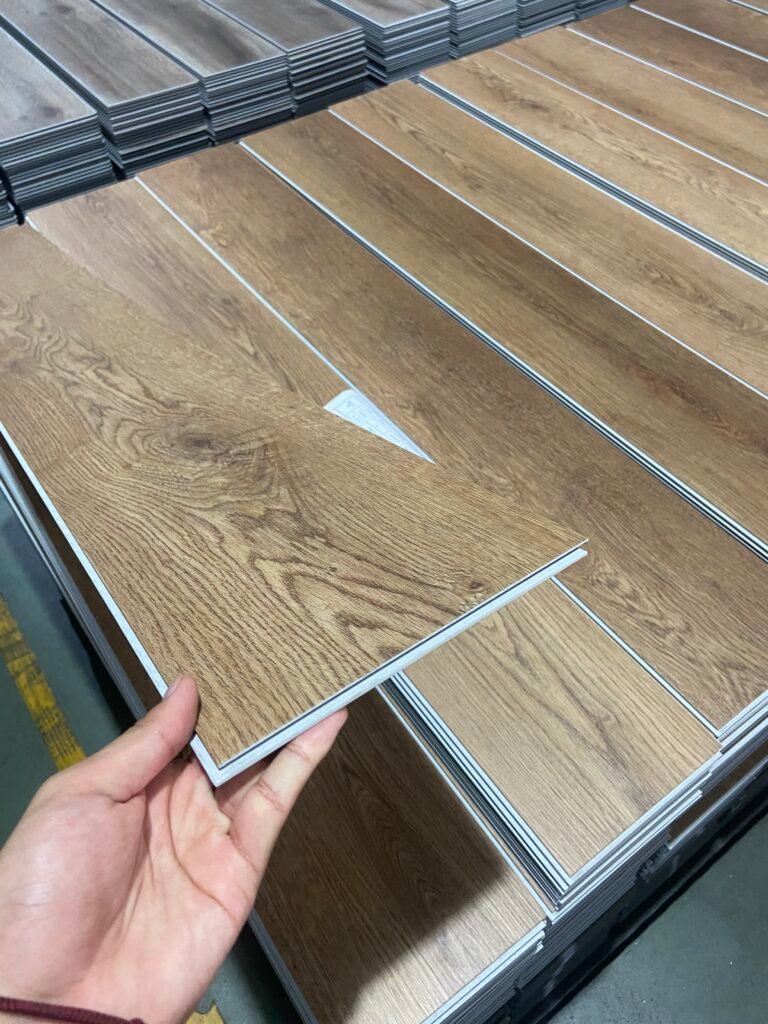
At ZALA Decoration, we specialize in manufacturing and exporting premium SPC flooring designed to stand up to Brazil’s unique climate while delivering modern, stylish interiors. Backed by advanced production facilities and an experienced technical team, we rigorously adhere to international quality standards — ensuring outstanding durability, waterproof performance, and lasting visual appeal perfectly suited for residential, commercial, and renovation projects across Brazil.
We understand that every importer, distributor, and project partner has unique needs. That’s why we offer fully flexible OEM and customisation services — from plank dimensions and surface textures to wear-layer specifications and packaging — tailored to your local market and customer preferences.
Our commitment goes beyond delivering excellent products: we combine strict quality control, transparent and competitive pricing, and proven logistics expertise to serve as your reliable long-term partner in building materials. As demand for SPC flooring in Brazil continues its rapid growth, choosing ZALA Decoration means securing a consistent supply of high-performance flooring, with reliable lead times and dedicated support to help your business capture this expanding market opportunity.
We welcome importers and building material partners across Brazil to connect with us. Together, we can capitalise on the bright future of SPC flooring — delivering waterproof, cost-effective, and sustainable flooring solutions that Brazilian customers love.
Partner with ZALA Decoration today: experience dependable quality, seamless service, and custom solutions built for your success in Brazil.
 English
 Spanish